
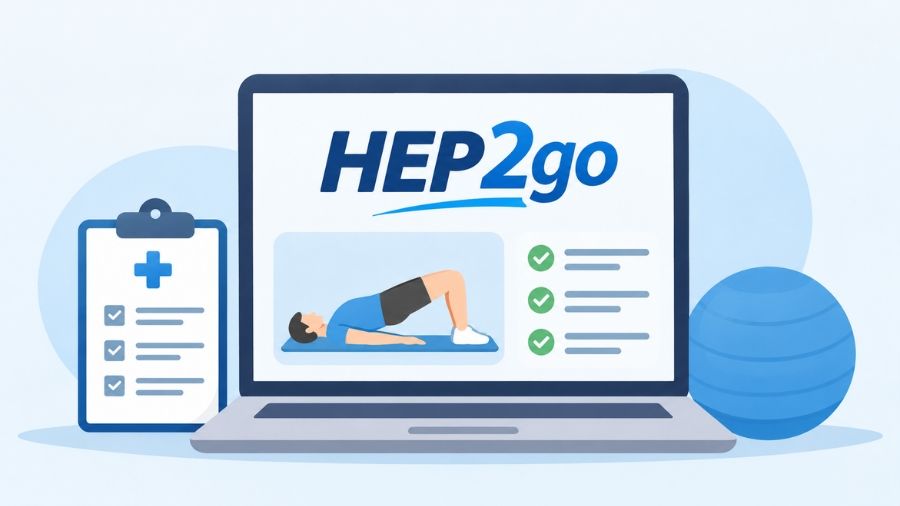
hep2go is an online home exercise program platform designed to help physical therapists and rehabilitation professionals create, customize, and distribute exercise instructions for patients. It addresses an important part of rehabilitation: helping people continue prescribed exercises outside clinical appointments. Understanding how HEP2go works, what tools it offers, who can benefit from it, and how it compares with other rehabilitation platforms can help clinicians and patients make informed decisions about digital exercise programs.
What Is HEP2go?
HEP2go is a web-based home exercise program (HEP) resource associated with physical therapy and rehabilitation. Its central purpose is to make it easier for healthcare professionals to prepare exercise instructions that patients can follow independently at home. A home exercise program generally contains selected movements, instructions, repetitions, sets, and recommended frequency based on an individual’s rehabilitation needs. Rather than creating every instruction sheet manually, clinicians can use a digital exercise library to assemble and personalize exercise materials. This approach can make communication more consistent, reduce preparation time, and give patients a convenient reference between appointments. HEP2go is particularly relevant to professionals who regularly prescribe therapeutic exercises for mobility, strength, flexibility, balance, and functional recovery.
How Does HEP2go Work?
HEP2go follows a straightforward exercise-selection and prescription process. A rehabilitation professional identifies the movements appropriate for a patient’s needs, selects relevant exercises from the available library, and prepares instructions describing how each movement should be performed. Depending on the available account features, the professional can adjust exercise details, organize movements into a program, and provide patients with a digital or printed copy. Patients then use the instructions to understand their assigned activities and practice them at home. The clinician remains responsible for selecting suitable movements, determining appropriate exercise intensity, and explaining any precautions. The platform supports the delivery of instructions, but it does not independently diagnose injuries or decide which exercises are medically appropriate.
Key Features of HEP2go
Exercise Library and Demonstrations
An exercise library is one of the most useful components of a home exercise platform. It allows rehabilitation professionals to find movements relevant to particular body regions, physical limitations, or treatment objectives. Visual demonstrations can make instructions easier to understand, especially for patients who are unfamiliar with rehabilitation terminology. Depending on the available exercise entry, users may find illustrations, written explanations, or video demonstrations. This visual approach can help patients understand starting positions, movement patterns, and basic exercise techniques. It is important, however, to remember that an exercise demonstration is educational material rather than a substitute for an individualized clinical assessment.
Customized Exercise Instructions
Different patients can require different exercise arrangements even when they have similar conditions. Customization allows a therapist to adapt exercise instructions to the individual’s rehabilitation goals and physical abilities. Relevant details can include repetitions, sets, holding time, frequency, and additional guidance about movement technique. A professional may also need to explain how much resistance to use or when to stop an exercise. Clear instructions are especially valuable for patients who practice without a therapist physically present. The quality of a home program depends not only on the number of exercises selected but also on whether each movement is appropriate, understandable, and realistic for the person following it.
Printable Home Exercise Programs
Printed exercise instructions remain useful in rehabilitation because not every patient prefers using a smartphone or computer. A printable home exercise program gives patients a physical reference they can keep at home and consult during their daily routine. A well-organized handout can include exercise names, visual demonstrations, dosage information, and written instructions. This format may be particularly convenient for older adults, individuals with limited digital confidence, or people who prefer paper-based guidance. Digital delivery and printable materials serve complementary purposes, allowing clinicians to consider patient preferences and accessibility rather than relying on a single communication method.
Digital Exercise Sharing
Digital sharing can make it easier for professionals to distribute exercise instructions without requiring patients to collect printed documents during every appointment. Depending on the platform version and available subscription features, sharing methods may include electronic communication and other access options. Patients can use the information provided by their clinician to review the prescribed movements outside the clinic. Digital delivery is also useful when a patient needs to revisit instructions after an appointment. However, professionals should verify that the correct program reaches the intended patient and avoid sending confidential clinical information through channels that have not been approved by their healthcare organization.
Who Can Benefit From HEP2go?
HEP2go is primarily relevant to professionals who prescribe therapeutic exercises as part of rehabilitation or physical conditioning. Physical therapists can use home exercise materials to support recovery after musculoskeletal injuries, surgery, or periods of reduced mobility. Occupational therapists may find exercise instructions useful when helping individuals improve functional movement and physical independence. Chiropractors can use exercise education alongside other appropriate care approaches, while athletic trainers may use structured movement instructions when supporting sports-related rehabilitation. Rehabilitation clinics and independent practitioners can also benefit from having a consistent method for preparing patient exercise materials. Patients are the intended recipients of many of these programs, although clinicians generally determine the exercises and instructions they should follow.
Benefits of Using HEP2go
One important benefit of a digital home exercise resource is the potential to reduce the administrative effort involved in preparing exercise instructions. Reusable exercise materials can help professionals spend less time producing documents from scratch and more time focusing on patient assessment and treatment. Visual explanations may improve patient understanding, while organized instructions provide a convenient reminder between appointments. Digital and printed formats can also support different accessibility preferences. Another advantage is consistency: clinicians can use standardized descriptions as a starting point and adapt them when necessary. These benefits depend on responsible use, because a convenient exercise platform cannot compensate for an unsuitable prescription or unclear clinical guidance.
HEP2go Pricing and Subscription Considerations
Pricing is an important consideration for individual therapists and rehabilitation organizations evaluating exercise prescription software. HEP2go has been associated with a free basic membership and paid Pro features, but historical third-party pricing references should not be treated as confirmation of current subscription rates. Features, subscription names, and account arrangements can change over time. Before choosing a plan, professionals should check the platform’s current official pricing information and determine which functions are included in each membership. Relevant considerations include access to exercise materials, customization options, program delivery, branding, and any limitations affecting everyday clinical workflows. A free account may be sufficient for basic needs, while professionals with higher usage requirements may need additional functionality.
HEP2go for Different Rehabilitation Needs
Physical Therapy and Injury Recovery
Physical therapy often involves exercises designed to restore movement, improve strength, and support functional recovery. A home exercise program helps patients continue practicing movements between supervised sessions. For example, someone recovering from an ankle injury may receive instructions involving controlled ankle movements, balance activities, and progressive strengthening. A therapist can use exercise resources to communicate these activities in a structured format. The exact movements and progression should depend on the patient’s assessment, healing stage, symptoms, and functional ability. HEP2go can support the communication of exercise instructions, but clinical decisions must remain with the treating professional.
Post-Surgical Rehabilitation
Patients recovering from surgery may need carefully planned exercises to regain mobility and strength. Home exercise instructions can help them understand which movements have been recommended and how frequently to perform them. However, post-surgical rehabilitation requires particular attention to precautions, healing timelines, and restrictions established by the surgeon or rehabilitation team. An exercise that is appropriate several weeks after surgery may be unsuitable during the initial recovery period. A platform such as HEP2go can help communicate an approved exercise plan, but it should never replace surgical follow-up or professional rehabilitation guidance.
Sports Rehabilitation and Athletic Training
Athletes frequently require structured rehabilitation after strains, sprains, overuse injuries, and other physical problems. Exercise instructions can help them maintain a consistent routine while gradually rebuilding strength, coordination, and movement control. Athletic trainers and rehabilitation professionals may use exercise libraries to organize movements around specific functional goals. For example, an athlete returning from a lower-limb injury may progress through mobility, strengthening, balance, and sport-specific activities. Progression should be based on clinical findings and functional readiness rather than simply completing a predetermined number of exercises.
Advantages and Limitations of HEP2go
The main advantages of HEP2go include convenient access to exercise resources, the ability to organize rehabilitation instructions, and the potential to reduce repetitive document preparation. Visual materials can make unfamiliar movements easier to understand, while printable instructions provide an alternative for patients who do not want to depend on digital devices. However, there are limitations to consider. An exercise library cannot determine whether a movement is suitable for a particular diagnosis, and generic instructions may not address every patient’s individual circumstances. The quality of the rehabilitation experience also depends on how carefully the clinician selects and explains the exercises. Professionals should evaluate the platform’s current features, data-handling practices, and compatibility with their clinical workflows before adopting it for regular use.
HEP2go Alternatives for Physical Therapists
Several other platforms operate in the digital rehabilitation and exercise prescription market. Comparing alternatives can help professionals identify a solution that better matches their practice requirements.
Medbridge
Medbridge is a healthcare education and rehabilitation platform that provides home exercise program resources alongside educational and professional learning tools. Its rehabilitation offerings include exercise demonstrations and patient-facing digital resources. It may be worth evaluating for clinics that want a broader collection of patient education and clinical support features. Its suitability depends on subscription costs, available services, and organizational requirements.
Physitrack
Physitrack is another platform associated with digital physical therapy and remote patient engagement. Its services focus on exercise prescription and supporting communication between clinicians and patients. Professionals considering it should examine its exercise resources, patient experience, progress-monitoring capabilities, and available integrations before making a decision.
Physiotec
Physiotec provides exercise prescription resources for physical therapy and rehabilitation professionals. It is relevant to clinicians looking for exercise libraries and tools to prepare customized programs. Its available functions and pricing should be compared with those of other platforms according to the needs of an individual practice or clinic.
WebPT
WebPT is primarily associated with physical therapy practice management and electronic medical record workflows. Its broader clinical administration focus makes it different from a dedicated exercise instruction resource. Clinics looking for documentation, scheduling, billing, and practice management capabilities may find this distinction particularly important when evaluating software.
Privacy and Patient Data Considerations
Patient information requires careful handling whenever digital healthcare tools are involved. Rehabilitation professionals should understand what information a platform collects, how it is stored, who can access it, and whether its privacy and security arrangements satisfy applicable healthcare requirements. They should also distinguish between general exercise instructions and identifiable patient health information. Before using HEP2go or another exercise prescription platform in a clinical environment, practitioners should review its current privacy policy, security documentation, account permissions, and applicable compliance arrangements. They should not assume that a platform meets a particular legal or healthcare privacy standard without verifying the relevant documentation. Clinics may also need internal policies governing patient communication, access credentials, and record retention.
Is HEP2go Suitable for Patients?
HEP2go can be useful to patients when a healthcare professional provides exercise instructions through the platform. Its main value for patients is having a reference that explains the movements they have been asked to perform at home. Visual instructions can make it easier to remember exercise positions and routines after a clinical appointment. Nevertheless, patients should not treat an online exercise library as a personalized treatment recommendation. People experiencing new pain, worsening symptoms, dizziness, unusual swelling, or other concerning reactions should stop the activity and contact their healthcare professional for advice. Patients should also ask their therapist if an exercise description is unclear or if their physical abilities change during recovery.
The Future of Digital Home Exercise Programs
Digital home exercise programs are becoming an important part of modern rehabilitation workflows because they help connect supervised treatment with activities performed at home. Future developments across the industry may include more accessible patient portals, improved progress tracking, personalized exercise recommendations, and better connections with clinical documentation systems. Artificial intelligence may also support the organization of exercise information and simplify administrative tasks, although clinical oversight will remain essential. For platforms such as HEP2go, the long-term value of digital exercise delivery will depend on usability, trustworthy exercise information, privacy protection, and the ability to fit into real clinical workflows. Technology can improve how rehabilitation instructions are delivered, but effective recovery still depends on appropriate assessment, patient participation, and professional guidance.
Conclusion
HEP2go represents an important category of digital tools designed to simplify home exercise prescription and rehabilitation communication. Its focus on exercise resources and structured instructions makes it relevant to physical therapists, occupational therapists, athletic trainers, chiropractors, and other rehabilitation professionals. Visual demonstrations, customized exercise information, and convenient program delivery can help patients understand their recommended activities outside clinical appointments. However, choosing an exercise platform requires more than considering its library or ease of use. Professionals should also evaluate subscription options, privacy arrangements, customization capabilities, and compatibility with their existing workflows. Ultimately, digital exercise tools are most valuable when they support individualized treatment plans and strengthen communication between patients and healthcare professionals.
Also read: Seeflix Explained: Streaming Features, Apps, Safety Checks and Risks
FAQs
1. What does HEP2go stand for?
HEP2go refers to a home exercise program resource that helps rehabilitation professionals organize and distribute therapeutic exercise instructions to patients.
2. Is HEP2go free to use?
HEP2go has historically offered free and paid membership options, but users should verify current subscription availability and pricing before registering.
3. Who can use HEP2go?
Physical therapists, occupational therapists, chiropractors, athletic trainers, rehabilitation professionals, and other practitioners who prescribe therapeutic exercises may find it useful.
4. Can patients use HEP2go at home?
Yes, patients can use exercise instructions provided by their healthcare professionals to review prescribed movements and follow their recommended home rehabilitation routines.
5. Does HEP2go provide exercise demonstrations?
HEP2go is associated with visual exercise resources that help users understand therapeutic movements, although the materials available may vary by exercise.
6. What are the alternatives to HEP2go?
Popular alternatives include Medbridge, Physitrack, Physiotec, and WebPT, each offering different rehabilitation, exercise prescription, or clinical management capabilities.