
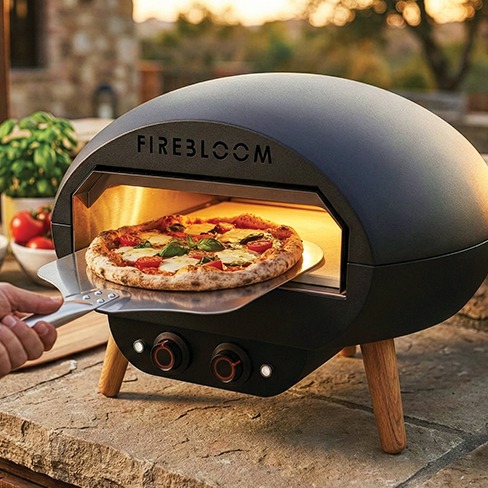
Homemade pizza is a favorite meal for many households because it allows people to experiment with dough, sauces, cheeses, and toppings. An electric pizza oven can provide a dedicated appliance for preparing pizza without requiring a gas connection or solid-fuel setup.
However, electric pizza ovens are not all identical. Their size, power requirements, controls, cooking surfaces, and intended locations can vary. Before choosing one, it is worth understanding what makes an electric model suitable for your kitchen or designated cooking area.
Why Consider an Electric Pizza Oven?
An electric pizza oven may be a practical choice for people who have access to a compatible electrical supply and prefer an appliance that does not require a separate gas or pellet fuel source.
Depending on the model, electric ovens may offer controls that allow users to manage the heating process. This can make them appealing for people who want a dedicated appliance for pizza and other suitable foods.
The most important step is checking the product’s intended use. Some electric ovens are designed for indoor countertop use, while others may be intended for specific outdoor settings. Follow the manufacturer’s instructions rather than assuming every electric model is suitable for every location.
Check the Available Countertop or Installation Space
Before buying, measure the location where the oven will be placed. Consider the appliance’s width, depth, height, and the clearance required around it.
A countertop oven should fit comfortably without blocking other kitchen equipment or creating an unsafe working area. Make sure the surface is suitable for the appliance’s weight and operating requirements.
If you intend to use the oven outdoors, check whether the model is approved for that environment and how it should be protected when not in use. Weather exposure can affect equipment that is not designed for outdoor conditions.
Understand Power Requirements
Electrical requirements are among the most important details to check. Review the rated voltage, wattage, plug type, and any other specifications provided by the manufacturer.
Make sure your electrical supply is compatible with the appliance. Avoid using unsuitable extension leads, overloaded outlets, or improvised connections. If you are unsure about the electrical setup, consult a qualified professional.
A dedicated appliance should be operated according to its instructions, including any guidance about preheating, ventilation, and safe placement. Do not modify the electrical components or attempt repairs unless you are qualified to do so.
Compare Cooking Capacity and Pizza Size
The oven’s internal cooking area determines the size of pizza it can accommodate. Consider whether you normally prepare individual pizzas, family-sized portions, or several smaller pizzas.
Check the stated maximum pizza dimensions and compare them with the recipes you plan to use. Also consider the height and shape of the cooking chamber if you want to experiment with different crust styles or toppings.
A larger appliance may offer more flexibility, but it also requires more counter space and storage room. Choose a size that makes sense for your household rather than automatically selecting the biggest available model.
Look at Temperature Controls and Heating Features
Different pizza recipes can require different cooking conditions. Temperature controls and heating features can therefore influence how convenient an oven is to use.
Review how the model manages heat and whether the controls allow adjustments. Check whether the manufacturer provides instructions for preheating and cooking different foods.
Do not base your decision only on the highest advertised temperature. It is also important to understand how the appliance is intended to be operated and whether its controls suit your experience level.
For a comparison of available electric models, explore the electric pizza oven collection.
Consider More Than Just Pizza
Some electric countertop ovens are designed to handle foods beyond pizza, depending on their specifications and included cooking modes. This can make them useful for households that want a versatile appliance.
Before relying on additional functions, check the manufacturer’s list of approved uses and operating instructions. Different foods may require different temperatures, cooking times, and accessories.
If you are considering an oven for everyday use, think about whether its functions match the meals you actually prepare. A product with a long list of features is not necessarily the best choice if you rarely use them.
Think About Cleaning and Everyday Maintenance
Cleaning is an important part of owning any cooking appliance. Flour, cheese, sauce, and crumbs can collect during pizza preparation, so it is useful to understand how the oven should be maintained.
Check whether the cooking surface or accessories are removable and how they should be cleaned. Follow the manufacturer’s instructions about suitable cleaning products and tools.
Always disconnect the appliance as directed and allow it to cool fully before cleaning. Never immerse electrical components in water unless the manufacturer specifically states that a particular part is safe to do so.
Regularly inspect the power cord and plug for visible damage. Stop using the appliance if you notice electrical problems, unusual smells, or other signs of malfunction, and seek appropriate professional assistance.
Select Suitable Accessories
A pizza peel, dough container, measuring tools, and heat-resistant gloves can make pizza preparation easier. The right accessories help with shaping dough, transferring pizza, and handling hot cookware.
Check that any accessories you buy are suitable for the oven’s dimensions and recommended use. Keep the preparation area clean and organize ingredients before starting to cook.
You do not need to purchase every available accessory at once. Begin with the tools that support your normal cooking routine and add others when needed.
Compare Options From a Dedicated Outdoor Cooking Brand
When comparing electric pizza ovens, review the full specifications rather than relying on product photographs or short descriptions. Look at dimensions, electrical requirements, cooking capacity, controls, included accessories, and maintenance guidance.
For more cooking equipment and product information, visit Big Horn Outdoors. Comparing the available options can help you identify an appliance that fits your space and cooking preferences.
Conclusion
An electric pizza oven can be a convenient addition to a home cooking setup when its size, electrical requirements, and features match your needs. Before purchasing, check the intended location, cooking capacity, controls, cleaning process, and safety instructions.
Taking time to compare these details can help you choose an appliance that supports enjoyable homemade pizza preparation and fits naturally into your everyday routine.