
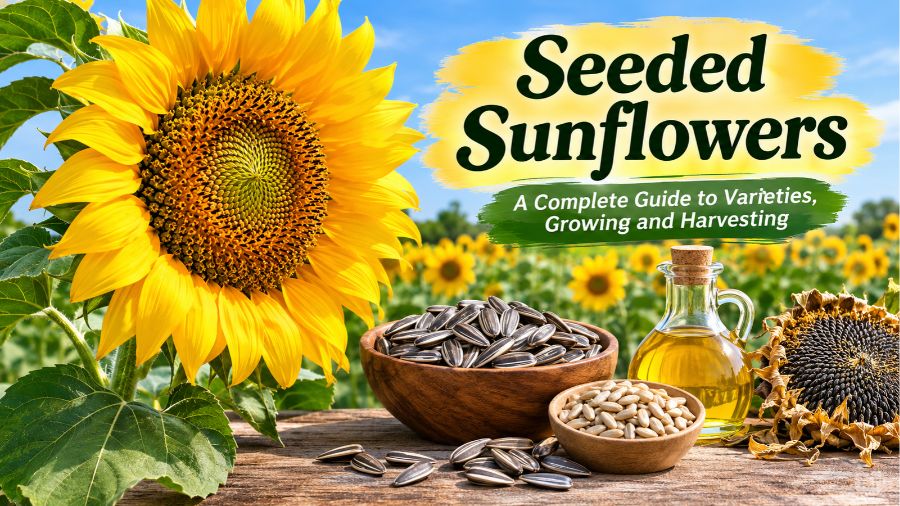
Seeded Sunflowers are popular flowering plants valued for their attractive golden blooms, nutritious seeds, agricultural importance, and multiple practical uses. Scientifically known as Helianthus annuus, common sunflowers belong to the daisy family and produce seed-filled flower heads that can be harvested for eating, cooking oil, bird feed, and future planting. From choosing the right sunflower variety to understanding seed development, cultivation, harvesting, and storage, learning about seeded sunflowers helps gardeners, farmers, and nature enthusiasts make the most of this versatile plant. Whether grown in a backyard garden or on a commercial farm, sunflowers offer both ornamental beauty and valuable seed production.
What Are Seeded Sunflowers?
Seeded sunflowers are sunflower plants grown for the seeds that develop within their large central flower heads after successful pollination. Each mature flower head contains numerous individual florets, and the fertilized disk florets develop into dry, one-seeded fruits commonly called sunflower seeds. These seeds are available in different sizes, colours, and varieties depending on the plant’s genetics and intended purpose. Some sunflowers produce small, dark seeds suitable for oil extraction, while others develop larger, striped seeds preferred for human consumption. Their versatility makes them valuable in home gardening, commercial agriculture, food manufacturing, and wildlife feeding. Although sunflowers are often recognized for their bright yellow petals, their seed-producing ability is equally important to their popularity around the world.
Different Types of Seeded Sunflowers
Sunflower varieties differ in plant height, flower size, seed characteristics, oil content, and agricultural purpose. Choosing an appropriate variety depends on whether the grower wants edible seeds, sunflower oil, bird feed, decorative flowers, or seeds for future planting. Commercial production generally distinguishes between oilseed and confectionery sunflowers, although ornamental varieties can also produce harvestable seeds. Understanding these differences helps gardeners and farmers select plants that match their growing conditions and intended harvest.
Oilseed Sunflowers
Oilseed sunflowers are cultivated primarily for their high oil content and commercial processing potential. Their seeds are generally smaller than confectionery varieties and commonly have dark, relatively thin outer coverings. After harvesting, the seeds are cleaned and processed to extract sunflower oil, which is widely used in cooking and food manufacturing. The remaining material, known as sunflower meal, can become a protein-containing ingredient in livestock feed. Some smaller oilseed varieties are also included in bird-feeding products. These plants are particularly important in agricultural production because they provide both edible oil and useful processing byproducts.
Confectionery Sunflowers
Confectionery sunflowers are grown mainly for their large, attractive seeds, which are suitable for human consumption. Their seeds commonly have thicker shells with distinctive grey, white, or black-and-white striped patterns. They are sold roasted, salted, or unsalted and can also be processed into shelled kernels for cooking and baking. Compared with oilseed varieties, confectionery types are selected for seed size, appearance, and eating quality rather than maximum oil production. They are popular among home gardeners who want to harvest sunflower seeds as a snack or use them in homemade recipes.
Ornamental Seed-Producing Sunflowers
Ornamental sunflowers are primarily grown for their colourful flowers, attractive shapes, and decorative value, but many varieties also produce seeds. Their flowers can range from traditional yellow blooms to orange, red, bronze, and multicoloured varieties. Some ornamental cultivars have large central disks capable of developing substantial numbers of seeds, while others produce smaller flower heads. Gardeners interested in both appearance and seed harvesting should check the characteristics of a particular cultivar before planting. This is especially important because certain pollenless or heavily modified ornamental varieties may not provide the same seed production as traditional seed-focused sunflowers.
How Sunflower Seeds Develop
Sunflower seed development begins when a young flower head forms at the top of the plant and gradually expands. The central disk contains hundreds or sometimes thousands of individual florets arranged in a distinctive spiral pattern. Pollinating insects, particularly bees, transfer pollen between florets, allowing fertilization and subsequent seed development. Each successfully fertilized disk floret can develop into an individual fruit containing a seed kernel protected by an outer covering. As the plant matures, the seeds gradually increase in size and accumulate stored nutrients. The flower head eventually becomes heavier, its petals dry and fall away, and the back of the head changes colour as the seeds approach maturity. Successful pollination, suitable growing conditions, and adequate moisture during development all influence the quality and quantity of the final harvest.
Benefits and Uses of Seeded Sunflowers
Seeded sunflowers offer several benefits beyond their decorative appearance, making them useful in food production, agriculture, gardening, and wildlife management. Their seeds contain valuable nutrients, while the plants provide food resources for pollinators and birds. Commercial growers can also benefit from multiple products obtained through seed processing. These different applications explain why sunflowers remain an important crop for both small-scale gardeners and larger agricultural operations.
Nutritional Value of Sunflower Seeds
Sunflower seeds are nutrient-dense foods containing protein, unsaturated fats, dietary fibre, vitamin E, magnesium, and other minerals. Vitamin E acts as an antioxidant, while magnesium contributes to normal muscle and nerve function. Their unsaturated fats make them a useful alternative to snacks containing predominantly saturated fats. Sunflower kernels can be eaten alone or incorporated into salads, breakfast cereals, bread, granola, and other meals. However, they are also calorie-dense, so reasonable portions are important. Unsalted varieties are generally a better choice for people monitoring their sodium consumption, particularly when compared with heavily salted packaged sunflower seeds.
Sunflower Oil Production
Sunflower seeds are an important raw material for producing edible vegetable oil. Oilseed varieties are harvested, cleaned, and processed using mechanical pressing or other extraction methods. The resulting oil is commonly used for frying, baking, salad dressings, and packaged food products. Its relatively high proportion of unsaturated fatty acids makes it useful in various cooking applications. After oil extraction, the remaining seed material can be processed into sunflower meal for animal feed. This ability to produce multiple useful products from one crop increases the agricultural value of oil-producing sunflower varieties.
Bird Feeding and Wildlife Support
Sunflower seeds are widely used in bird-feeding products because many wild birds readily consume them. Black oil sunflower seeds are particularly popular because their relatively thin shells make them accessible to many seed-eating birds. Mature sunflower heads can also provide a natural food source for birds and small wildlife in gardens and agricultural landscapes. Additionally, growing sunflowers can attract bees, butterflies, and other beneficial insects during flowering. Their combination of nectar, pollen, and later seed production makes them useful plants for gardens that aim to support local biodiversity.
How to Grow Seeded Sunflowers Successfully
Growing seeded sunflowers is relatively straightforward when plants receive sufficient sunlight, suitable soil, adequate water, and enough space to develop. Most varieties grow well in locations receiving approximately six to eight hours of direct sunlight daily, although their specific requirements vary. Sunflowers generally prefer well-drained soil and perform poorly when their roots remain waterlogged for extended periods. Before planting, gardeners should consider the mature height, flower-head size, and spacing requirements of their selected variety. Good growing conditions help plants develop strong stems, healthy leaves, and well-filled flower heads that can support a successful seed harvest.
Selecting Quality Sunflower Seeds
Choosing suitable planting material is an important first step in producing healthy sunflower plants. Seeds should come from a reliable supplier and match the intended growing purpose, whether that is oil production, edible seed harvesting, bird feed, or ornamental gardening. Gardeners should check the variety name, expected maturity period, plant height, and seed characteristics before purchasing. Seeds intended for planting should be viable and free from visible mould, insect damage, and excessive deterioration. It is also important to distinguish untreated planting seeds from roasted, salted, or otherwise processed sunflower seeds sold as snacks, because processed seeds are not appropriate planting material.
Planting and Germination
Sunflower seeds are commonly planted directly into prepared garden soil once conditions are warm enough for reliable germination. A planting depth of approximately 2.5 to 3.5 centimetres is suitable for many garden varieties, although seed-packet recommendations should take priority. Seeds should be spaced according to their expected mature size, since large varieties need considerably more room than dwarf cultivars. Soil should remain moderately moist during germination without becoming saturated. Under favourable conditions, seedlings usually emerge within several days to around two weeks. Young plants need protection from birds, rodents, slugs, and other garden pests that may damage emerging seedlings.
Sunlight, Watering, and Soil Management
Sunflowers grow best in open locations where they receive plenty of direct sunlight throughout the day. Their root systems can extend deeply into the soil, helping established plants access moisture and nutrients. Regular watering is especially important during germination, early growth, flowering, and seed development. However, excessive watering can create poorly aerated soil and increase the risk of root problems. Well-drained soil with suitable fertility supports healthy growth, while excessive nitrogen fertilization may encourage leaf and stem development at the expense of flowering and seed production. Removing competing weeds during early growth also helps sunflower plants access available water, nutrients, and sunlight.
When and How to Harvest Sunflower Seeds
Harvesting at the correct stage is essential for obtaining mature, well-filled sunflower seeds. The timing depends on the variety, planting date, climate, and growing conditions. Many garden varieties reach seed maturity approximately 70 to 100 days after planting, although some cultivars mature earlier or later. A mature sunflower head generally begins to droop, its petals become dry, and the back changes from green to yellow or yellow-brown. Seeds should appear fully developed rather than flat or empty. Gardeners can cover developing flower heads with breathable netting or paper bags to reduce losses from birds and prevent seeds from falling before collection.
Drying and Removing the Seeds
Once the flower heads reach maturity, they can be cut with a section of stem attached and moved to a warm, dry, well-ventilated location. Hanging the heads upside down or placing them on a suitable drying surface allows remaining moisture to escape. Paper bags or breathable coverings can help collect loose seeds while protecting them from rodents and insects. Plastic bags should generally be avoided because they can trap moisture and encourage mould growth. When the heads and seeds are thoroughly dry, the seeds can be removed by gently rubbing the flower surface with a gloved hand or suitable brush.
Storing Harvested Sunflower Seeds
Proper storage helps preserve sunflower seed quality and reduces the risk of mould, insects, and spoilage. Seeds intended for eating should be completely dry before being placed in clean, airtight containers. Keeping them in a cool, dry, dark location helps protect their flavour and nutritional quality. Refrigeration or freezing can extend storage life, particularly for shelled kernels containing natural oils that may become rancid over time. Seeds intended for planting should be stored separately in labelled, dry containers under cool conditions. Gardeners should avoid storing damp seeds because excess moisture can reduce viability and encourage fungal growth.
Common Challenges in Growing Seeded Sunflowers
Although sunflowers are relatively easy to cultivate, several problems can affect seed development and final harvest quality. Birds and squirrels may consume developing seeds before they are ready for collection, while aphids, caterpillars, and sunflower seed-feeding insects can damage plants and flower heads. Fungal diseases may also develop when plants experience prolonged moisture, poor air circulation, or unsuitable growing conditions. Another common problem is incomplete pollination, which can result in poorly filled or empty seed shells. Gardeners can reduce these risks through appropriate plant spacing, regular inspection, good drainage, crop hygiene, and protective netting. Selecting varieties suited to local conditions and avoiding unnecessary pesticide applications also supports healthier plants and beneficial pollinators.
Seeded Sunflowers and Their Agricultural Importance
Seeded sunflowers contribute to agricultural production by providing edible seeds, vegetable oil, animal-feed ingredients, and valuable products for food manufacturing. Farmers can select different varieties according to their local climate, available growing space, soil conditions, and intended market. Sunflowers can also fit into crop rotation systems, although their suitability depends on local agricultural practices and disease-management requirements. Their flowers support pollinating insects, while mature seed heads provide food for wildlife. In addition, sunflower cultivation creates opportunities for small-scale growers to produce specialty food products and garden seed supplies. These combined benefits make sunflowers a versatile agricultural crop with both commercial and environmental importance.
How to Choose the Best Seeded Sunflower Variety
Selecting the right sunflower variety requires considering its intended purpose rather than choosing solely by flower appearance. Gardeners interested in eating the harvested seeds should consider confectionery varieties with large, well-filled kernels. Farmers producing cooking oil should look for oilseed cultivars developed for suitable oil content and reliable agricultural performance. Those growing sunflowers for birds may prefer black oil varieties because of their accessible shells and feeding value. Plant height, maturity period, resistance to local diseases, available space, and climate suitability are also important considerations. Reading seed-packaging information and choosing reputable suppliers can help growers avoid unsuitable varieties and achieve more consistent results.
Conclusion
Seeded Sunflowers are valuable plants that combine attractive flowers with practical benefits for food production, gardening, agriculture, and wildlife. Their seeds provide nutritious food, support sunflower oil manufacturing, and offer an important resource for birds and other wildlife. Understanding the differences between oilseed, confectionery, and ornamental varieties helps growers select suitable plants for their goals. With appropriate planting, sunlight, watering, pollination, harvesting, and storage practices, sunflowers can produce healthy seeds in both home gardens and commercial fields. Their versatility, relatively straightforward cultivation, and multiple uses make them an excellent addition to gardens and agricultural landscapes.
Also read: Can Dogs Eat Avocado? Essential Safety Facts Every Dog Owner Should Know
FAQs
1. What Are Seeded Sunflowers?
Seeded sunflowers are flowering plants that produce harvestable seeds inside their central flower heads, commonly used for food, cooking oil, bird feed, and planting.
2. Are Sunflower Seeds Edible Directly From the Plant?
Yes, mature sunflower seeds are edible after proper cleaning and drying. They can also be roasted for improved flavour and a crunchy texture.
3. How Long Do Sunflowers Take to Produce Seeds?
Many sunflower varieties produce mature seeds approximately 70 to 100 days after planting, depending on cultivar, climate, soil conditions, and growing practices.
4. Which Sunflower Seeds Are Best for Eating?
Confectionery sunflower varieties are generally preferred for eating because they produce larger seeds with appealing kernels suitable for roasting, snacking, and cooking.
5. Why Do Some Sunflowers Produce Empty Seeds?
Empty sunflower seeds commonly result from incomplete pollination, unsuitable growing conditions, pest damage, or poor seed development during the flowering and maturation stages.
6. Can Sunflower Seeds Be Saved for Next Year’s Planting?
Yes, mature, healthy seeds from suitable open-pollinated varieties can be dried and stored properly for future planting, although hybrids may not reproduce identical characteristics.