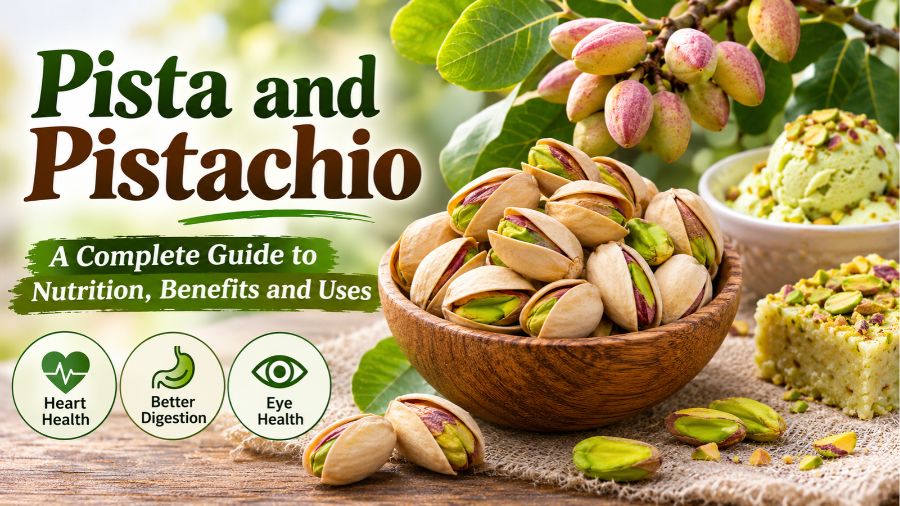
Pista and Pistachio are two names for the same popular dry fruit, known for their naturally green kernels, distinctive flavour, and impressive nutritional profile. Commonly enjoyed in Pakistan, India, the Middle East, Europe, and other parts of the world, pistachios are valued for their versatility in cooking and their contribution to a balanced diet. Although many people use the words pista and pistachio interchangeably, understanding their origins, nutritional composition, varieties, health benefits, and culinary applications provides a better appreciation of this remarkable food. From traditional desserts and everyday snacks to modern food products, pistachios have become an important ingredient in many cuisines and food cultures.
What Are Pista and Pistachio?
Pista and pistachio refer to the edible kernel of the pistachio tree, scientifically known as Pistacia vera. The tree belongs to the Anacardiaceae family, which also includes cashews and mangoes. Its fruit develops in clusters, with each edible kernel protected by a naturally hard outer shell. As the fruit matures, the shell commonly splits along its natural seam, revealing the greenish kernel inside. Pistachios are appreciated for their slightly sweet, earthy flavour, delicate texture, and pleasant aroma. They can be consumed fresh, dried, roasted, or salted, making them suitable for different dietary preferences and culinary traditions. Their combination of flavour, nutritional value, and practical uses has helped establish pistachios as one of the world’s most recognizable edible nuts.
Is There Any Difference Between Pista and Pistachio?
There is no difference between pista and pistachio because both words describe the same food. Pista is the commonly used name in Urdu, Hindi, and several South Asian languages, while pistachio is the standard English term. In Pakistan, people generally use the word pista when discussing dry fruits, traditional sweets, and everyday snacks. International food packaging, recipes, nutritional databases, and agricultural publications usually use the term pistachio. Both names refer to the same species, Pistacia vera, and have identical nutritional characteristics when the preparation and serving sizes are the same. Therefore, whether someone purchases pista from a traditional dry fruit shop or pistachios from an international supermarket, they are buying the same edible nut.
History and Origin of Pistachios
Pistachios have a long history connected with Central Asia and the surrounding regions of the Middle East. Archaeological evidence from parts of Iraq and Turkey indicates that pistachios were used as food thousands of years ago. Their natural growing environment includes regions with hot, dry summers and relatively cold winters, conditions that influence their agricultural development. Over centuries, pistachio cultivation expanded into different Mediterranean countries and eventually reached other parts of the world. Today, pistachios are commercially cultivated in countries including the United States, Iran, and Turkey. Their popularity has also grown because modern agricultural techniques, international trade, improved storage, and food processing have made them more widely available. Their historical importance demonstrates how a traditional regional food became an internationally recognized agricultural product.
How Do Pistachio Trees Grow?
Pistachio trees are deciduous plants that grow particularly well in suitable climates with long, hot summers and sufficiently cold winter conditions. They can tolerate relatively dry environments because their root systems are adapted to access water from deeper soil layers. Commercial orchards generally require careful management of soil conditions, irrigation, pruning, and seasonal temperatures to produce consistent harvests. Pistachio trees are usually dioecious, meaning male and female flowers grow on separate trees. Consequently, orchards require suitable male trees to provide pollen for female trees to develop fruit. The edible pistachio kernel develops inside the fruit, which is harvested when mature. After harvesting, the outer covering is removed, and the nuts are processed, dried, graded, and prepared for commercial distribution.
Nutritional Value of Pista and Pistachio
Pistachios contain several essential nutrients that make them a valuable addition to a balanced eating pattern. According to USDA FoodData Central reference data for raw pistachio kernels, 100 grams provides approximately 560 calories, 20.16 grams of protein, 27.17 grams of carbohydrates, 10.6 grams of dietary fibre, and 45.32 grams of fat. They also provide minerals such as potassium, magnesium, phosphorus, iron, and calcium, alongside vitamins including vitamin B6 and thiamin. Much of their fat content consists of unsaturated fatty acids, although they also contain some saturated fat. Their protein and fibre content makes them a satisfying snack, while their micronutrients contribute to normal bodily functions. Nutritional values can vary depending on the variety, growing conditions, processing methods, and whether the pistachios are raw, roasted, salted, or flavoured.
Protein, Fibre, and Healthy Fats
Protein, dietary fibre, and unsaturated fats are three important components of pistachio nutrition. Protein supports the maintenance and repair of body tissues, while dietary fibre contributes to normal digestive function and helps support bowel regularity. Unsaturated fats are generally preferred over excessive saturated fats in a heart-conscious dietary pattern. Pistachios provide a combination of these nutrients in a relatively small serving, making them useful for people looking to include more plant-based foods in their meals. However, they are also energy-dense, so portion awareness remains important. A serving of approximately 28 to 30 grams offers a practical way to enjoy their nutritional qualities without consuming the much larger calorie amount associated with eating 100 grams.
Health Benefits of Eating Pistachios
Pistachios offer several nutritional advantages when included as part of a varied and balanced diet. Their unsaturated fats, fibre, plant protein, antioxidants, and essential minerals contribute to different aspects of normal health. Replacing some highly processed snacks with unsalted or lightly salted pistachios can improve the overall nutritional quality of everyday food choices. Their fibre content supports digestive health, while their potassium and magnesium contribute to normal muscle and nerve function. Pistachios also contain plant compounds, including carotenoids and polyphenols, that have antioxidant properties. Research on nuts, including pistachios, has explored their relationship with cardiovascular health and metabolic markers. Nevertheless, their benefits should be understood within the context of an overall healthy lifestyle rather than as a replacement for medical treatment or a balanced diet.
Support for Heart Health
Pistachios contain monounsaturated and polyunsaturated fats, which can be beneficial when they replace foods rich in saturated fats. Their nutritional composition also includes phytosterols and antioxidants, which have been investigated for their possible contributions to cardiovascular health. Some dietary studies suggest that including pistachios in a balanced eating pattern may help improve certain blood lipid measurements. Potassium is another important nutrient because it supports normal blood pressure regulation and muscle function. However, eating pistachios alone does not prevent or cure heart disease. People concerned about cholesterol or blood pressure should consider their overall dietary pattern, physical activity, and medical guidance when making nutritional decisions.
Support for Digestion
Dietary fibre is an important part of a healthy digestive system, and pistachios provide a useful amount of this nutrient. Fibre contributes to regular bowel movements and helps maintain normal digestive function. It also supports beneficial intestinal bacteria, which play a role in the wider digestive environment. Including pistachios alongside fruits, vegetables, whole grains, and sufficient fluids can contribute to a fibre-rich eating pattern. However, people who are not accustomed to eating high-fibre foods may experience temporary bloating or discomfort if they increase their intake too quickly. Gradually introducing fibre-rich foods and maintaining adequate hydration can help improve digestive tolerance.
Antioxidants and Eye Health
Pistachios contain several antioxidant compounds, including lutein, zeaxanthin, and polyphenols. Lutein and zeaxanthin are carotenoids that are also found in the human retina, where they contribute to the eye’s protective pigment. These compounds have attracted scientific interest because of their role in filtering certain wavelengths of light and protecting against oxidative stress. Pistachios also contain vitamin E-related compounds and other plant nutrients that contribute to their antioxidant profile. Although these nutrients are valuable parts of a healthy diet, consuming pistachios should not be considered a treatment for vision problems or eye diseases. Maintaining overall nutritional balance is more important than relying on one particular food.
Different Types and Varieties of Pistachios
Pistachios are available in several commercial varieties, each with its own appearance, size, shell characteristics, and culinary preferences. Their differences are influenced by genetics, growing environments, agricultural practices, and harvesting conditions. Some varieties are particularly popular in Middle Eastern markets, while others are widely cultivated in American agricultural regions. Akbari, Ahmad Aghaei, and Kerman are among the names associated with commercial pistachio varieties. Consumers may notice differences in kernel colour, shell opening, shape, and taste when comparing products from different origins. Understanding these characteristics can help buyers select suitable pistachios for snacking, baking, confectionery, or other food preparations.
Iranian Pistachios
Iranian pistachios are well known in international dry fruit markets and are available in several commercial varieties. Akbari pistachios are generally recognized by their relatively long shape, while Ahmad Aghaei pistachios are also appreciated for their elongated appearance and attractive shell colour. Other Iranian varieties include Fandoghi and Kaleh Ghouchi, which differ in size and shape. These products are commonly used in traditional desserts, confectionery, and everyday snacking. Their flavour and appearance can vary according to the variety, harvesting conditions, and processing methods. Iranian pistachios have a particularly strong connection with Middle Eastern and South Asian food traditions.
American Pistachios
American pistachios are primarily associated with commercial cultivation in California, where agricultural conditions support large-scale production. The Kerman variety has played an important role in the development of the American pistachio industry. These pistachios are commonly sold roasted, salted, unsalted, or incorporated into packaged food products. Their consistent commercial availability has helped make them popular in supermarkets and international food markets. American pistachios are also used in ice cream, bakery products, chocolates, snack mixes, and various processed foods. Their quality depends on appropriate harvesting, handling, drying, storage, and processing practices.
Popular Uses of Pista and Pistachio in Food
Pistachios are among the most versatile ingredients used in traditional and modern cooking. Their attractive green colour, slightly sweet taste, and crunchy texture make them suitable for both sweet and savoury dishes. In Pakistan and India, pista is commonly added to desserts such as kheer, kulfi, barfi, halwa, and traditional sweets. In Middle Eastern cuisine, pistachios are important ingredients in baklava, pastries, and several confectionery products. International food manufacturers also use pistachio paste, chopped kernels, and pistachio flavouring in ice creams, chocolates, biscuits, cakes, and snack bars. Their culinary versatility means that pistachios can be enjoyed as a simple snack or used as an ingredient in more elaborate recipes.
Pistachio Milkshake and Desserts
Pistachio milkshakes are popular beverages prepared using pistachio kernels, milk, and optional sweeteners. Some recipes also include cardamom, saffron, or other flavouring ingredients to create a richer taste. In Pakistan, pista milkshakes are particularly associated with traditional refreshments and summer menus. Pistachios are also frequently used in kulfi, ice cream, custards, and creamy desserts because their flavour complements dairy products. Finely ground pistachio kernels can provide both colour and texture, while pistachio paste creates a smoother and more concentrated flavour. The amount of added sugar and cream can significantly affect the overall nutritional profile of these preparations.
Pistachios in Baking and Cooking
Pistachios are widely used in baking because they complement ingredients such as chocolate, honey, vanilla, almonds, and dried fruits. Bakers commonly add chopped kernels to cookies, cakes, pastries, muffins, and sweet breads. Ground pistachios can also be incorporated into fillings, crusts, and decorative toppings. In savoury cooking, pistachios can add crunch to salads, rice dishes, sauces, and vegetable preparations. Pistachio paste is another useful ingredient for creating fillings and spreads. Whether used whole, chopped, powdered, or blended, pistachios provide a distinctive appearance and flavour that can improve the variety of homemade and commercially prepared foods.
Raw, Roasted, and Salted Pistachios: What Is the Difference?
Pistachios are sold in different forms depending on consumer preferences and processing methods. Raw pistachios are generally not roasted, allowing their natural flavour and texture to remain prominent. Roasted pistachios undergo heat treatment that produces a deeper flavour and a crispier texture. Salted varieties contain added sodium, while unsalted versions are available for people who prefer to limit their salt consumption. Some commercial products also include spices, sugar, honey, or flavour coatings. These additions can change the nutritional composition of the finished product. When choosing pistachios for regular consumption, plain or lightly processed options are often practical choices because they provide greater control over added salt, sugar, and flavouring ingredients.
Which Pistachios Are Better for Everyday Eating?
The best option depends on individual dietary needs and taste preferences, but plain raw or unsalted roasted pistachios are generally suitable choices for everyday eating. Both forms can provide protein, fibre, unsaturated fats, vitamins, and minerals. Roasting changes the flavour and texture, while excessive added salt can increase sodium intake. People who monitor their blood pressure or need to restrict sodium may prefer unsalted varieties. It is also worth checking ingredient labels because some flavoured pistachios contain additional oils, sugar, and seasonings. A moderate portion of plain pistachios can be included in breakfast, snacks, or meals without requiring complicated preparation.
How to Choose and Store Quality Pistachios
Selecting good-quality pistachios involves checking their appearance, smell, texture, packaging, and storage condition. Shelled pistachios should generally have a natural green to yellow-green kernel colour, although shades vary between varieties and maturity levels. In-shell pistachios should have clean, reasonably intact shells without signs of moisture damage or mould. A fresh, pleasant nutty smell is preferable to a sour, stale, or rancid odour. Buyers should also examine packaging information, expiry dates, and storage instructions before purchasing. Proper storage is important because pistachios contain fats that can deteriorate when exposed to heat, air, and light. Keeping them in an airtight container in a cool, dry place helps preserve their flavour and quality. Refrigeration or freezing can extend storage life, particularly for larger quantities.
Potential Risks and Precautions When Eating Pistachios
Although pistachios are nutritious, they are not suitable for everyone. Tree-nut allergies can cause reactions ranging from mild itching and skin symptoms to serious anaphylaxis. Pistachios are particularly relevant to people with cashew allergies because the two foods have closely related allergenic proteins and can show cross-reactivity. Anyone with a diagnosed pistachio allergy should avoid consuming them and follow appropriate medical advice. Another consideration is their calorie density, which makes portion awareness useful for people monitoring their energy intake. Salted and flavoured varieties may also contain substantial amounts of sodium or added sugar. Additionally, pistachios that have been stored in damp conditions or show signs of mould or spoilage should not be consumed. Choosing properly processed products and following suitable storage practices can reduce avoidable food-quality risks.
Conclusion
Pista and Pistachio are two names for the same nutritious and versatile edible nut, scientifically identified as Pistacia vera. Their long agricultural history, distinctive flavour, and nutritional composition have made them popular across different cultures and food traditions. They provide plant-based protein, dietary fibre, unsaturated fats, vitamins, minerals, and antioxidant compounds that can contribute to a balanced diet. From Iranian and American varieties to traditional Pakistani desserts and modern bakery products, pistachios have many practical uses. Choosing good-quality products, controlling portions, considering added salt, and following proper storage practices can help consumers enjoy them responsibly. Understanding their nutritional value and potential allergy risks makes it easier to appreciate pistachios as both a traditional dry fruit and a useful ingredient in everyday food.
Also read: Björksly Explained: Meaning, Growth, Uses and Woodland Management
FAQs
1. Are Pista and Pistachio the Same Thing?
Yes, pista and pistachio are exactly the same edible nut. Pista is commonly used in South Asian languages, while pistachio is its English name.
2. What Are the Main Health Benefits of Pistachios?
Pistachios provide protein, fibre, unsaturated fats, and antioxidants that support normal digestion, contribute to cardiovascular health, and help maintain overall nutritional balance.
3. How Many Pistachios Should You Eat Daily?
A serving of approximately 28 to 30 grams is a practical portion for most adults, although individual nutritional requirements and dietary needs vary.
4. Are Raw Pistachios Better Than Roasted Pistachios?
Both raw and roasted pistachios provide valuable nutrients. Unsalted varieties are generally preferable for people who want to manage their sodium intake.
5. Which Country Produces the Best Pistachios?
Iran, the United States, and Turkey are major pistachio-producing countries. Quality depends on the variety, growing conditions, harvesting, processing, and storage.
6. Can People With Cashew Allergies Eat Pistachios?
Not necessarily. Cashew and pistachio proteins can cross-react, so people with cashew allergies should seek advice from an allergy specialist before consumption.