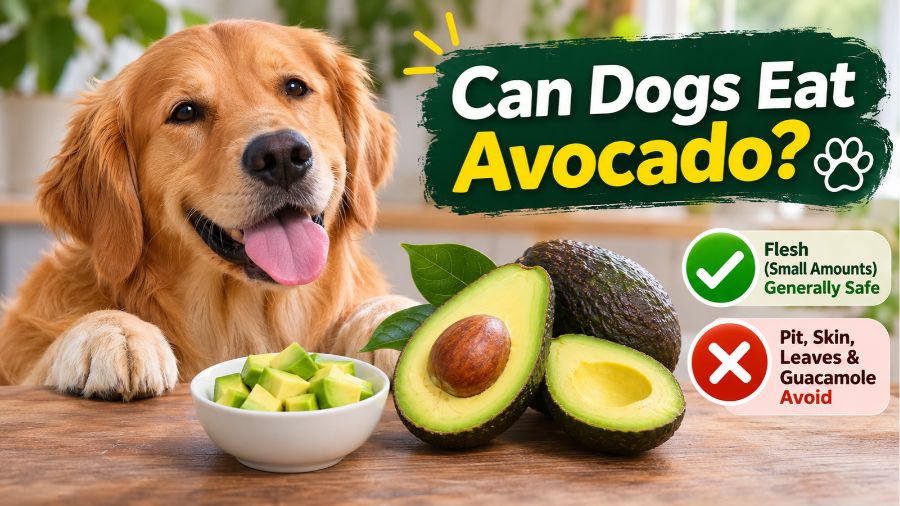
Can Dogs Eat Avocado is an important question for pet owners who want to share healthy human foods with their dogs without putting their health at risk. Avocados are nutritious for people, containing healthy fats, vitamins, minerals, and antioxidants, but their suitability for dogs is more complicated. While small amounts of plain avocado flesh are generally unlikely to cause poisoning in healthy dogs, other parts of the fruit can present serious dangers. The avocado pit, skin, leaves, and high fat content require particular attention. Understanding which parts are potentially safe, what risks to watch for, and what to do after accidental consumption can help dog owners make responsible feeding decisions.
Can Dogs Eat Avocado Safely?
Yes, most healthy adult dogs can eat a small amount of plain avocado flesh occasionally, provided it is completely separated from the skin and pit. The soft green flesh is not considered highly toxic to dogs, and dogs appear relatively resistant to persin, a naturally occurring compound found in avocado plants. However, being relatively resistant does not mean that avocados are completely harmless. The fruit contains considerable fat, which can cause digestive problems when consumed in excessive quantities and may contribute to pancreatitis in susceptible dogs. Veterinary guidance also differs in how cautious owners should be, with some experts accepting occasional small servings and others recommending avoiding avocado altogether because safer alternatives are available. The most responsible approach is to avoid making avocado a regular part of a dog’s diet and consult a veterinarian before introducing it, particularly if the animal has existing digestive problems, weight concerns, or a history of pancreatitis.
Understanding Persin in Avocados and Its Effects on Dogs
Persin is a naturally occurring fungicidal compound found in avocado plants, including their leaves, stems, skin, seeds, and fruit. It is an important reason why avocado consumption receives attention in veterinary toxicology. Different animal species respond differently to persin, with birds, horses, rabbits, and certain other animals being particularly vulnerable. Dogs generally appear more resistant, and serious persin-related poisoning is less commonly reported in this species. Nevertheless, exposure to avocado plant material can still cause digestive problems, including vomiting and diarrhea. The concentration of persin also varies depending on the plant part and other factors, making it difficult to establish a universally safe exposure level. Dog owners should therefore avoid assuming that every avocado product or plant component is suitable for their pets. Keeping avocado plants, discarded peels, and seeds away from dogs is a sensible precaution, especially in households where pets have access to kitchen waste or outdoor gardens.
Which Parts of an Avocado Are Safe for Dogs?
Not every part of an avocado presents the same level of risk, and understanding these differences is essential before considering whether a dog can eat the fruit. The flesh is generally the least concerning part when offered plain and in a very small quantity, while the pit creates a significant physical hazard because it can become lodged in the digestive tract. The skin and leaves contain higher concentrations of persin and should not be deliberately fed to dogs. Stems and other plant material should also remain out of reach. Another important consideration is preparation: avocado mixed with seasonings, sauces, or other human foods may introduce ingredients that are independently dangerous to dogs. Removing the dangerous components does not eliminate every concern because the remaining flesh still contains substantial fat. For this reason, owners should consider both the part consumed and the quantity rather than treating all avocado exposure as equally harmless or equally dangerous.
Avocado Flesh
The soft green flesh is the part most commonly discussed when veterinarians and pet nutrition experts evaluate avocado consumption in dogs. It contains unsaturated fats, dietary fiber, vitamin E, vitamin C, vitamin B6, and potassium. These nutrients contribute to normal biological functions, including metabolism and cellular health. However, their presence does not mean avocado is necessary for canine nutrition. Dogs receiving a complete and balanced diet already obtain the nutrients they require from appropriately formulated food. If a veterinarian considers a small taste acceptable, the flesh should be ripe, plain, unseasoned, and cut into manageable pieces. Owners should avoid giving large portions or introducing it suddenly into a dog’s regular meals. Dogs with sensitive digestion or a history of pancreatic disease may need to avoid it entirely.
Avocado Pit or Seed
The avocado pit is one of the most important hazards associated with this fruit because it can cause choking or an obstruction in the gastrointestinal tract. Its large, hard structure makes it difficult for a dog’s digestive system to break down naturally. Depending on the dog’s size and the position of the obstruction, veterinary treatment may involve diagnostic imaging and potentially surgical removal. A swallowed pit can be dangerous even when a dog initially appears completely normal. Owners should never allow dogs to play with avocado seeds or chew them as toys. If a dog swallows an entire pit or a substantial piece, immediate veterinary advice is essential. Waiting for symptoms to appear can delay treatment and increase the risk of complications.
Avocado Skin and Leaves
Avocado skin and leaves should not be included in a dog’s diet because they contain higher concentrations of persin than the edible flesh. Eating these materials may cause digestive irritation, including vomiting and diarrhea, while exposure to substantial quantities can be more concerning. Avocado leaves are particularly important to consider for households that grow avocado trees or keep potted plants. Dogs may chew fallen leaves or investigate discarded fruit without their owners noticing. Keeping these materials inaccessible is safer than relying on the assumption that a dog will naturally avoid them. If a pet consumes avocado skin or leaves, owners should contact a veterinarian for advice based on the amount consumed, the dog’s size, and any symptoms that develop.
Potential Nutritional Benefits of Avocado for Dogs
Avocado flesh contains several nutrients that contribute to general health, although its nutritional advantages should not be confused with a medical benefit or a requirement for canine diets. Its unsaturated fats provide energy, while vitamin E contributes to antioxidant protection and normal cellular function. Vitamin B6 supports metabolic processes, vitamin C participates in normal physiological functions, and potassium helps maintain appropriate muscle and nerve activity. The dietary fiber in avocado can also contribute to digestive function, although individual dogs may respond differently to additional fiber. Despite these nutritional properties, avocado is relatively calorie-dense compared with many conventional dog treats. Giving too much can increase overall calorie consumption and contribute to unwanted weight gain. Commercial dog foods formulated to meet established nutritional standards generally provide the necessary nutrients without requiring avocado supplementation. Therefore, its potential nutritional benefits do not outweigh the importance of portion control and an appropriately balanced diet.
Health Risks of Feeding Avocado to Dogs
Although small amounts of plain avocado flesh are unlikely to cause serious problems in most healthy dogs, several risks deserve attention before owners introduce it as a treat. The most significant concerns include gastrointestinal upset, excessive fat consumption, possible pancreatitis in susceptible animals, and physical obstruction caused by swallowing the pit. Persin exposure from other parts of the plant is another consideration, particularly when dogs consume leaves, skin, or substantial quantities of plant material. Individual health conditions can also change how a dog responds to foods that are generally tolerated by other animals. For example, a dog with a previous episode of pancreatitis may require stricter dietary fat control than a healthy adult dog. The absence of immediate symptoms does not always establish that an exposure is harmless, particularly when a foreign object has been swallowed. Owners should evaluate the circumstances carefully and seek veterinary advice whenever the exposure involves potentially dangerous parts of the plant.
Digestive Problems and Pancreatitis
Avocado contains a relatively high amount of fat, which makes portion size especially important for dogs. Eating too much may cause vomiting, diarrhea, stomach discomfort, or reduced appetite. In susceptible animals, consuming high-fat foods can also contribute to the development of pancreatitis, a condition involving inflammation of the pancreas. This illness can produce significant abdominal pain, repeated vomiting, weakness, dehydration, and loss of appetite. Dogs that are overweight or have previously experienced pancreatic inflammation may be particularly unsuitable candidates for fatty treats. Although avocado does not automatically cause pancreatitis, its fat content is a legitimate reason to avoid excessive consumption. If a dog develops repeated vomiting, noticeable abdominal discomfort, or unusual weakness after eating avocado, veterinary assessment should not be delayed.
Choking and Intestinal Blockage
The avocado pit presents a mechanical danger that is separate from the potential effects of persin. A dog attempting to swallow the seed may choke if it becomes lodged in the throat. If it passes into the stomach, it may still become trapped further along the digestive tract. An intestinal obstruction can interfere with the movement of food and fluids, potentially requiring emergency intervention. Common warning signs include repeated vomiting, abdominal pain, loss of appetite, unusual tiredness, and difficulty passing stool. Some dogs may initially show no obvious symptoms, so owners should not assume that everything is fine simply because their pet appears comfortable. Suspected pit ingestion requires prompt veterinary guidance, even when the dog seems normal.
How Much Avocado Can a Dog Eat?
There is no universally established safe avocado serving that applies to every dog because body weight, age, health history, dietary requirements, and individual sensitivity all influence food tolerance. Some veterinary nutrition guidance suggests limiting occasional avocado flesh to approximately one teaspoon per 10 pounds of body weight, but this should not be treated as a guaranteed safe dose or a daily feeding recommendation. Smaller dogs may be more easily affected by relatively modest portions, while dogs with existing health problems may need to avoid avocado completely. Owners should also remember that treats and additional foods contribute to a dog’s overall calorie intake. A complete and balanced diet should remain the primary source of nutrition, with treats generally accounting for no more than 10% of daily calories. When there is uncertainty about an appropriate serving, asking a veterinarian is more reliable than following a general internet portion recommendation.
Can Dogs Eat Guacamole or Avocado-Based Foods?
Dogs should not be given guacamole because this popular dip frequently contains ingredients that are unsafe for pets. Although avocado itself is the main ingredient, recipes commonly include onion, garlic, salt, lime juice, and spices. Onion and garlic are particularly dangerous because they contain compounds that can damage a dog’s red blood cells and potentially lead to anemia. Excessive salt can also cause health problems, while spicy ingredients may irritate the digestive system. Avocado toast, seasoned avocado salads, dips, and restaurant preparations can create similar concerns because their ingredients are not always obvious. Even homemade guacamole without onion or garlic remains an unsuitable regular treat because of the avocado’s fat content and possible digestive effects. If a dog eats guacamole, owners should check the ingredients and contact a veterinarian for guidance, especially when onion or garlic is present.
What Happens If a Dog Accidentally Eats Avocado?
The appropriate response depends on which part of the avocado was consumed, how much was eaten, and the dog’s individual health condition. A small accidental bite of plain flesh is generally less concerning than swallowing the pit, eating the skin, or consuming a large amount of avocado-based food. Owners should remove any remaining fruit and establish whether their pet swallowed anything other than the flesh. If a pit was swallowed, veterinary advice should be obtained immediately because of the possibility of choking or intestinal obstruction. If guacamole was involved, the ingredients should be checked for onion and garlic. Owners should also watch for vomiting, diarrhea, abdominal discomfort, appetite changes, and unusual tiredness. They should never attempt to induce vomiting or administer home remedies without veterinary instructions. Providing the veterinarian with an accurate description of the exposure helps determine whether examination, monitoring, or treatment is necessary.
Safer Fruit Alternatives to Avocado for Dogs
Several fruits can provide dogs with occasional treats without introducing the same combination of concerns associated with avocado. Blueberries are a popular option because they contain fiber and antioxidants and are relatively small, making them convenient for many dogs. Apples can also be offered in small pieces after removing the seeds and core. Bananas provide potassium and other nutrients, although their natural sugar content means portions should remain limited. Seedless watermelon flesh can be a refreshing occasional snack, provided the rind and seeds are removed. Strawberries are another possible option when served fresh and in moderate quantities. However, even fruits generally considered safe can cause digestive upset if introduced too quickly or fed excessively. Owners should introduce one new food at a time and observe how their dogs respond. Dogs with diabetes, food sensitivities, digestive conditions, or prescription diets may need individualized feeding recommendations from a veterinarian.
Can Dogs Have Avocado Oil or Commercial Foods Containing Avocado?
Avocado oil and commercially prepared dog foods containing avocado ingredients require a slightly different assessment from feeding a dog an entire fresh avocado. Avocado oil is primarily fat and generally contains little to no persin, but its high calorie and fat content still makes unnecessary supplementation questionable. Adding substantial amounts to a dog’s meals may contribute to weight gain or digestive problems, particularly in animals susceptible to pancreatitis. Some commercial pet foods and treats contain processed avocado-derived ingredients, such as avocado meal or avocado oil, in carefully formulated quantities. These products should be evaluated according to their complete ingredient list, nutritional adequacy, and intended feeding instructions rather than assuming that every avocado-containing product is unsafe. Owners should choose nutritionally appropriate products from reputable manufacturers and consult a veterinarian before introducing specialized supplements. A commercial product’s inclusion of an avocado-derived ingredient does not mean that feeding fresh avocado pits, leaves, or skin is safe.
Conclusion
Dogs can generally tolerate small amounts of plain avocado flesh, but the fruit is not an essential part of a healthy canine diet. The most important precautions involve avoiding avocado pits, skin, leaves, guacamole, and excessive quantities of fatty flesh. While persin is less dangerous to dogs than to certain other animal species, digestive upset and physical obstruction remain genuine concerns. Dogs with pancreatitis, weight problems, or sensitive digestive systems may need to avoid avocado altogether. Safer alternatives, including blueberries, seedless watermelon, and properly prepared apples, can provide occasional variety without introducing the same risks. Responsible feeding means considering the dog’s individual health, maintaining a balanced diet, controlling treat portions, and contacting a veterinarian whenever potentially dangerous avocado exposure occurs.
Also read: Pista and Pistachio: A Complete Guide to Nutrition, Benefits and Uses
FAQs
1. Can dogs eat avocado every day?
No, dogs should not eat avocado every day. Its high fat content makes frequent feeding unnecessary and potentially harmful, especially for dogs with digestive or pancreatic problems.
2. Is avocado poisonous to dogs?
Avocado flesh is generally tolerated in small quantities, but persin-containing plant parts and excessive consumption can cause problems. The pit also presents serious physical hazards.
3. Can puppies eat avocado?
It is generally better to avoid giving puppies avocado. Their nutritional needs require carefully balanced diets, and introducing unnecessary high-fat foods may cause digestive upset.
4. What should I do if my dog eats an avocado pit?
Contact a veterinarian immediately because the pit can cause choking or intestinal obstruction. Do not induce vomiting or wait for symptoms before seeking advice.
5. Can dogs eat guacamole without onions?
Guacamole is still not recommended, even without onions. Avocado’s fat content and additional seasonings may cause digestive problems, making safer treats a better choice.
6. Can dogs eat avocado oil safely?
Avocado oil contains little to no persin, but its high fat content can contribute to weight gain or digestive problems. Consult your veterinarian before supplementation.