
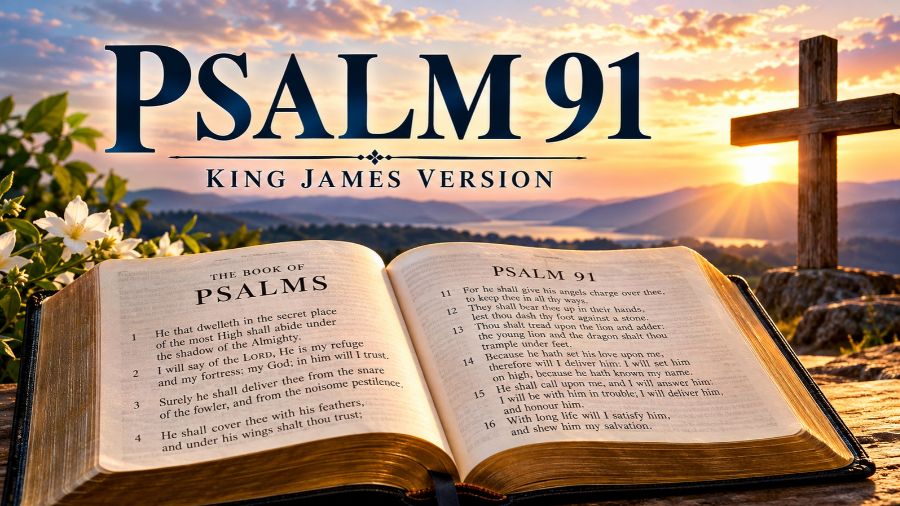
The search term 91 Psalms King James is commonly used by people who want to read Psalm 91 in the King James Version of the Bible and understand its powerful message of faith, protection, and trust in God. Psalm 91 is one of the best-known chapters in the Book of Psalms because it offers spiritual comfort to people facing uncertainty, fear, illness, hardship, or difficult circumstances. Its words remind readers that God is a refuge for those who place their confidence in Him. Written in the traditional language of the King James Bible, this psalm has remained meaningful to generations of Christians. Understanding its message involves more than reading the verses; it also means considering their spiritual significance and how their teachings can influence everyday life.
What Is Psalm 91 in the King James Bible?
Psalm 91 is the ninety-first chapter of the Book of Psalms in the King James Version, a widely recognized English translation of the Bible published in 1611. The chapter contains 16 verses that focus on God’s protection, faithfulness, presence, and deliverance. Although people frequently search for “91 Psalms King James,” the traditional biblical name is Psalm 91 because it refers to one individual psalm rather than 91 separate psalms. The chapter begins by describing the person who dwells in the secret place of the Most High and remains under the shadow of the Almighty. This opening establishes the central theme of the passage: a close relationship with God provides spiritual reassurance. Throughout the chapter, readers encounter images of shelter, refuge, a fortress, and protection from danger, all of which communicate confidence in divine care.
The Meaning of Dwelling in God’s Presence
The opening verse of Psalm 91 describes a person who dwells in the secret place of the Most High. This expression represents a life centered on a relationship with God, expressed through faith, prayer, worship, and obedience. Dwelling suggests something more lasting than seeking help only during a crisis. It encourages believers to develop consistent spiritual habits and turn to God in both joyful and difficult seasons. The reference to the shadow of the Almighty creates an image of shelter and closeness, suggesting comfort in the presence of someone powerful enough to protect and sustain. For modern readers, this message can encourage patience, reflection, and a deeper sense of spiritual stability. Rather than allowing fear to control every decision, believers can remember the principles of faith and trust while responding thoughtfully to the challenges they encounter.
God as a Refuge and Fortress
One of the most memorable statements in Psalm 91 appears in verse two, where the speaker describes the Lord as a refuge and fortress. A refuge is a place of safety, while a fortress represents strength and defense against threats. These images communicate the belief that God can be trusted when life becomes uncertain. The verse also emphasizes personal faith through the declaration that God is the speaker’s own refuge and that he will trust in Him. This personal expression makes the passage especially meaningful to readers seeking reassurance during periods of stress or disappointment. Its lesson is not that believers will never experience difficulties, but that faith can provide spiritual strength as they face them. The imagery encourages Christians to build their lives around trust in God rather than relying entirely on changing circumstances or temporary sources of security.
Protection From Fear and Hidden Dangers
Psalm 91 uses several images of danger to explain the reassurance that faith can provide. The chapter mentions snares, deadly pestilence, terror by night, arrows by day, and other threatening circumstances. These expressions reflect the dangers and uncertainties that people have faced throughout history. The contrast between nighttime and daytime suggests that fear can appear at any hour, whether the threat is visible or difficult to understand. For readers today, the passage may offer comfort during periods of anxiety, uncertainty, or personal hardship. Its language reminds believers that fear does not need to become the controlling force in their lives. However, the psalm should not be interpreted as a guarantee that faithful people will never experience illness, accidents, violence, or loss. Its deeper spiritual message centers on confidence in God, even when circumstances remain difficult or outcomes are uncertain.
Understanding the Promise of God’s Care
The promises in Psalm 91 are among the main reasons people search for this chapter in the King James Bible. Its verses describe divine protection, deliverance, and the assurance of God’s presence. These promises have inspired Christians to turn to the passage during prayer, worship, family devotion, and moments of personal reflection. Understanding them requires attention to the chapter’s religious context and its emphasis on a relationship with God. Biblical faith does not mean that human beings can control every event by repeating particular words. Instead, the psalm encourages trust in God’s character and faithfulness. Its message can help readers approach uncertainty with greater courage while continuing to make responsible decisions. In this way, Psalm 91 offers spiritual encouragement without suggesting that prayer replaces practical precautions, professional assistance, or the need to respond wisely to real-world dangers.
The Significance of Angels in Psalm 91
Verse 11 of Psalm 91 states that God will give His angels charge over the faithful to keep them in their ways. This verse is frequently remembered because it presents a powerful image of heavenly care. In the biblical tradition, angels serve as messengers and agents of God’s purposes. Their mention in this psalm reinforces its overall theme of divine protection and the belief that God’s care extends beyond what human beings can see. For Christians, the verse may provide reassurance when facing uncertainty or feeling vulnerable. At the same time, its meaning should be considered within the broader message of Scripture rather than used to justify reckless behavior. The passage is an invitation to trust God, not a reason to deliberately expose oneself or others to danger. Its emphasis is on spiritual confidence, humility, and dependence on divine wisdom.
Why Psalm 91 Is Important for Prayer
Many Christians include Psalm 91 in their personal prayers because its themes provide language for expressing trust, seeking comfort, and remembering God’s faithfulness. Reading the chapter slowly can help a person reflect on individual verses and consider their meaning in a particular situation. Some readers focus on the opening description of God’s shelter, while others find encouragement in the promises of His presence during trouble. Families may also read the passage together as part of regular devotional practice. Its traditional King James wording can feel especially familiar to people who grew up hearing this translation in church services. Whether read aloud or silently, Psalm 91 can become a starting point for honest prayer about fear, uncertainty, gratitude, and hope. Its value lies in thoughtful engagement with the message rather than treating the chapter as a formula that guarantees a particular outcome.
Applying Psalm 91 to Everyday Life
The teachings of Psalm 91 can be connected to everyday experiences in several meaningful ways. A person facing workplace pressure may draw encouragement from its emphasis on trust, while someone dealing with family difficulties may find comfort in its description of God as a refuge. During periods of uncertainty, the chapter can remind readers to balance their concerns with prayer, patience, and thoughtful action. Its message may also encourage compassion toward people who feel frightened or vulnerable. Faith can influence daily choices by helping individuals respond to difficulties with greater calm, honesty, and perseverance. Nevertheless, applying Psalm 91 does not mean ignoring practical responsibilities or assuming that every problem will disappear immediately. A balanced understanding recognizes that spiritual confidence can coexist with seeking medical care, asking trusted people for support, and taking sensible steps to protect oneself and one’s family.
The King James Version and Its Traditional Language
The King James Version has a distinctive style that contributes to the enduring popularity of Psalm 91. Published in 1611, this translation uses traditional English expressions such as “thee,” “thou,” and “thy” in many biblical passages. Its language can sound formal to modern readers, but it also gives the text a recognizable rhythm that many people associate with worship and Scripture memorization. Psalm 91 is particularly memorable because its imagery of a fortress, shield, refuge, and shelter communicates its central message through familiar pictures of safety and strength. Readers who find older English difficult can benefit from studying the meaning of each verse in plain language while keeping the original King James wording nearby. This approach allows them to appreciate the translation’s literary character while developing a clearer understanding of the spiritual ideas expressed throughout the chapter.
Common Misunderstandings About Psalm 91
Although Psalm 91 is widely associated with protection, some interpretations overlook the difference between spiritual assurance and a promise of complete freedom from suffering. The chapter expresses deep confidence in God’s care, but it should not be used to blame people when they experience illness, tragedy, or hardship. Difficult experiences do not automatically demonstrate a lack of faith. Similarly, reading Psalm 91 should not replace medical treatment, emergency assistance, or reasonable safety measures. Another misunderstanding is the belief that merely repeating the chapter guarantees protection from every possible danger. The passage emphasizes trust in God and a continuing relationship with Him, not the use of biblical words as a magical formula. Reading it in context helps preserve its message of faith, dependence, and hope while encouraging a thoughtful understanding of what its promises mean within the Christian tradition.
Lessons Christians Can Learn From Psalm 91
Psalm 91 offers several enduring lessons for Christian life. It encourages believers to seek a close relationship with God, develop confidence in His character, and remember their faith during uncertain times. Its images of shelter and strength illustrate the comfort that spiritual trust can provide, while its references to deliverance and God’s presence remind readers that they are not required to face hardship without hope. The chapter also invites reflection on courage, perseverance, humility, and dependence on divine wisdom. These lessons can influence how people approach relationships, responsibilities, and personal challenges. Rather than promising a life without problems, Psalm 91 encourages a way of responding to problems through faith. Its lasting appeal comes from its ability to express the human desire for safety and reassurance while pointing readers toward a deeper understanding of God’s care.
Also read: Arrow Eve Reynolds: The Remarkable Story of Dan Reynolds’ Eldest Daughter
Conclusion
The 91 Psalms King James search topic leads readers to one of the Bible’s most recognizable passages about faith, refuge, and divine protection. Psalm 91 contains 16 verses that use powerful images of shelter, a fortress, angels, and deliverance to express confidence in God’s care. Its message has comforted generations of Christians who turn to Scripture for encouragement during uncertain or difficult periods. By understanding the chapter in context, readers can appreciate its promises without assuming that faith guarantees freedom from every hardship. The passage encourages a consistent relationship with God, thoughtful prayer, courage, and trust in His presence. Whether someone reads Psalm 91 for personal devotion, Bible study, family worship, or a deeper understanding of the King James Version, its central message remains an invitation to seek spiritual reassurance and face life’s challenges with faith and hope.